Learn the Value of Your Data Through 451 Research’s Latest Whitepaper, Commissioned by Delphix

In an enterprise of all sizes, data is important.  That is why businesses seek to manage their data using multiple platforms and locations.

This may seem like an easy task at first, but then once you dive in deeper to this operation, you may find yourself asking, where do I begin? As a business leader, that first question is important, and the answer is even more vital to success.

Start With 451 Research’s Latest Black & White Paper

Our sponsor, Delphix and 451 Research have come together to formulate a Black and White Paper, which covers the importance of data-driven applications, and how exactly to derive value and manage them in your enterprise

In this paper, DataOps methodologies are covered, including the challenges of managing data and how to overcome them in order to effectively help your business. You will receive top of the line, exclusive information, and the “451 Take” on the matter.

“DataOps Lays the Foundation for Agility, Security and Transformational Change”

So what are you waiting for? Your data is calling. Download the whitepaper here.

If you like what you read, you can meet Delphix at our Digital Enterprise Transformation Assembly in Miami, Florida on June 25-26th to learn more.

ABOUT DIGITAL ENTERPRISE TRANSFORMATION ASSEMBLY 

The Millennium Alliance is thrilled to present our bi-annual Digital Enterprise Transformation Assembly, put together by the industry, for the industry. Join us in Miami, FL. for a series of executive education roundtables, keynote presentations, collaborative think tanks, educational workshops, and networking sessions will offer industry-specific topics and trends to ensure your company maintains its competitive advantage.

As more and more businesses look to digital technology and strategies to transform their business, CIOs know that data and information technology have never been more important. Understanding the convergence of mobile, social, and cloud is the first critical step for organizations looking to create opportunities and stay ahead of the competition.

Are you a CIO or CTO interested in attending this event? Inquire here today to find out if you qualify for Millennium Membership >>

Brad Wilson, CEO Emeritus, Blue Cross Blue Shield North Carolina to Keynote Healthcare Payers Transformation Assembly

The Millennium Alliance is thrilled to announce Brad Wilson, CEO Emeritus, Blue Cross Blue Shield North Carolina as the Keynote Speaker at The Healthcare Payers Transformation Assembly taking place on May 22-23 at the Fairmont in Dallas, TX.

About Brad Wilson: 

Brad Wilson is CEO Emeritus of Blue Cross Blue Shield of North Carolina, Executive in Residence at Wake Forest University and holds an adjunct faculty position at UNC Chapel Hill. During his 22 year career at BCBSNC, he held a variety of senior executive leadership positions, beginning as General Counsel in 1995. He ended his service to the company in January 2018 after almost 8 years as CEO. Under his leadership, BCBSNC effectively implemented the ACA in all 100 NC counties and experienced material growth across all product lines.

Prior to joining BCBSNC he served as General Counsel to NC Governor James B. Hunt and practiced law for 14 years. A dedicated public servant, Brad has Chaired many Gubernatorial, Attorney General and Judicial Commissions. He also served on the UNC System Board of Governors for 16 years and Chaired that Board for 4 years during his tenure.

Among many state and national recognition, Brad is the recipient of the Order of the Long Leaf Pine, the highest civilian honor in NC. A life long North Carolinian, he earned a BA from Appalachian State University, JD from Wake Forest School of Law and an MA from Duke University.

About Healthcare Payers Transformation Assembly

The Millennium Alliance is pleased to announce that application for the Healthcare Payers Transformation Assembly is now open. North America’s most prominent IT and business leaders from the Healthcare Insurance industry will be gathering to discuss how to adapt to the industry’s customer-centric makeover. Are you interested in attending this event?

Inquire here today to find out if you qualify for Millennium Membership >>Download your copy of the sponsorship prospectus to see if you are eligible to sponsor this event >> 

Do Algorithms On Social Media Determine Engagement?

I think it is safe to say we are in a world where technology pretty much plays a function in most things we do. Whether we are interacting with our friends, completing tasks at work, or simply enjoying some free time, technology is likely to be an active participant. Which brings me to my next point: social media.

Ah, the world of social media. This world is an interesting one, to say the least, and is made up of components that continue to grow today. These components include and are not limited to all of the platforms we use on a daily basis.

A World Of One’s Own On Social Media

Whether we are gaining our news for the day, or simply keeping up with a favorite celebrity, the social media platforms we chose to interact with play a huge role in what we consume. Instagram differs from Facebook, which differs from Snapchat, which differs from Twitter, and you get the point…

The functions of these platforms are complex and made up of fancy things called algorithms. In recent news responding to net neutrality, we have heard algorithms come up in conversation among digital marketers who believe that algorithms actually hurt the exposure of a particular brand.

“For the casual user who’s tired of sorting through dozens of Facebook posts from brands they followed five years ago and no longer care about, algorithms are amazing. For the social media marketer who’s reaching half the amount of their audience as they did five years ago, they aren’t so great.” Sprout Social reports.

Algorithms: A Help Or Hinder?

When social media first appeared in society, algorithms existed very little on particular platforms. This mainly has something to do with the fact that the users on platforms like Facebook and Instagram were very little compared to today. Now, in 2018, social media has grown so much, algorithms have been put into motion in order to achieve a level of organization for users.

In the most simple terms, algorithms have been incorporated into social media platforms in order to give users the opportunity to view accounts that they actually care about. This means the accounts that they are most active with, will appear first, over those that don’t receive the same amount of engagement.

“You may follow dozens or even hundreds of accounts on Facebook. But you likely have certain accounts you enjoy more than others. Social networks are trying to figure out the best way to serve that content to you first.” Sprout Social reports.

Makes sense, right? For the average consumers, it may. But, for brands trying to create a large following, it could be seen as a hinder. If users are not commenting, liking, or simply engaging in this brand’s content, then they will appear last in the news feed, and in some cases, can be overlooked completely.

Overcoming Algorithms

Some marketers can see algorithms as a challenge, but it can also create an opportunity for brands to reach a targeted audience. It is important for marketers to engage with audiences more than ever, in order for algorithms to pick up on the popularity of your particular account.

When algorithms first disrupted social media, users were quick to persuade followers to turn on post notifications, which is a feature Instagram added to accounts in order to allow users to pick accounts they can receive a notification from whenever that account posts.

If you can successfully get followers to want to view your account, then you have overcome algorithms. Good luck!

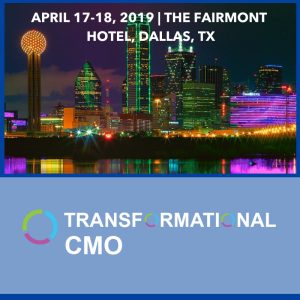
ABOUT THE TRANSFORMATIONAL CMO ASSEMBLY

The digital revolution has forever changed the balance of power between individual consumers and brands. This need to think “customer first” has made the marketing function more vital than ever before.

C-Level executives around the world are anticipating that digital technology will continue to drive business. We’ve put together a series of executive education roundtables, keynote presentations, collaborative think tanks, educational workshops, and networking sessions with our industry experts and advisory board.

Are you a CMO interested in attending this event? Inquire here today to find out if you qualify for Millennium Membership >>

Joanne Waldstreicher, M.D., Chief Medical Officer, Johnson & Johnson to Keynote Patient Experience Transformation Assembly

The Millennium Alliance is thrilled to announce Joanne Waldstreicher M.D., Chief Medical Officer, Johnson & Johnson as Keynote Speaker at The Patient Experience Transformation Assembly taking place on May 16-17, 2019 at the Hutton Hotel, Nashville TN.

About Joanne Waldstreicher:

Joanne Waldstreicher, M.D., is Chief Medical Officer, Johnson & Johnson. In this role, she has oversight across pharmaceuticals, devices and consumer products for safety, epidemiology, clinical and regulatory operations transformation, collaborations on ethical science, and technology and R&D policies, including those related to clinical trial transparency and compassionate access. She chairs the R&D Development Pipeline Review Committee for The Janssen Pharmaceutical Companies of Johnson & Johnson, and supports the Medical Devices and Consumer Development Committees. Joanne is also a faculty affiliate of the Division of Medical Ethics, Department of Population Health, New York University School of Medicine. Among her prior roles, Joanne was responsible for late-stage development in neuroscience, cardiovascular disease and metabolism at Janssen. Before joining Johnson & Johnson in 2002, she headed endocrinology and metabolism clinical research at Merck Research Laboratories, overseeing development programs in atherosclerosis, obesity, diabetes, urology, and dermatology. She was honored with the Key Innovator Award, among other distinctions. Joanne received both the Jonas Salk and Belle Zeller scholarships from the City University of New York, and graduated summa cum laude from Brooklyn College. She graduated cum laude from Harvard Medical School, completed her internship and residency at Beth Israel Hospital and her endocrinology fellowship at Massachusetts General Hospital. She has received numerous awards and scholarships and is an active scientific author. In 2016, the National Association of Female Executives named her Healthcare Champion of the Year. Joanne combines broad experience in science and medicine with a passion for advancing transparency and ethics, with a goal of improving the lives of patients and consumers worldwide.

About The Patient Experience Transformation Assembly 

The Millennium Alliance is thrilled to announce the dates for the Patient Experience Transformation Assembly.

Working with our Members and Advisory Board, we are putting together a program to enable you to test out new technology and hear from experts about the latest strategies changing the patient experience. We understand that for C-Level executives time is precious, so we are bringing the best content and technology together in May.

Are you a Patient Experience Officer interested in attending this event? Inquire here today to find out if you qualify for Millennium Membership >>

Download your copy of the sponsorship prospectus to see if you are eligible to sponsor this event >>

Build A Healthcare IoT Network Your Nana Will Love

A chronically ill senior steps off her scale and heads to the kitchen to make coffee. Moments later, a message appears on her phone; she looks: “Good morning, Mrs. Rodriguez. Your weight is a bit higher than normal this morning. Have you taken your Lasix yet today?” She clicks “yes” and returns her attention to the task at hand: coffee. Her phone rings. It’s her health coach checking in. Mrs. Rodriguez is enrolled in Ochsner Health System’s chronic disease management program, and her remote care team is concerned about her heart failure. “Hello, Mrs. Rodriguez. How are you feeling today? Experiencing any shortness of breath? Dizziness?”

This conversation, she knows, was initiated because the scale in her bathroom is wirelessly connected to her care team. Her weight spiked four pounds overnight, a key indicator that she is retaining fluid. Just a few years earlier, the issue would have landed her in an emergency room. Today, her condition is being managed more progressively. “I’ve just spoken to our on-call pharmacist, and we’re going to have you take an extra 20 mg. of your Lasix this morning. Can you do that now? We will check back in this afternoon.”

Miniaturization Meets Chronic Disease Management

The adage goes that you can’t manage what you don’t measure. Today’s healthcare organizations (HCOs) lack the capacity to meaningfully measure the chronic diseases they aim to manage, but innovations in sensor miniaturization are changing that. IoMT (internet of medical things) networks solve this very straightforward problem by capturing an increasingly sophisticated set of key physiological data points.

Today, a small but important group of data points, including weight, glucose levels, and vital signs, are being captured. In the lab, researchers are pushing the boundaries of what miniaturized sensors can capture to include hormones, electrolytes, hydration levels, medication adherence, and more.

Analytics Are Bending the Cost Curve

Sensor data is blended with activity data and environmental data and fed into analytics engines where algorithms are pouring over this inbound data to separate signal from the noise. Researchers are flagging alarming trends and are then engaging patients with chatbots to validate issues and automate escalation of care.

Predictive analytics researchers are taking things one step further, attempting to forecast deterioration from subtle trends in this data before symptoms even present. Diabetes management vendor One Drop is forecasting glucose changes, while Second Opinion Health is forecasting migraines. Researchers in labs today are working on forecasting seizures for epileptic patients, inflammation attacks for patients living with multiple sclerosis, and even suicide.

What It Means

In my recently published report, “How to Build A Healthcare IoT Platform,” I move past the hype and create an adoption road map designed to lay out the people, processes, and technology needed to support smart hospitals, transitions of care, chronic disease management, and population health initiatives. In the era of cost control and value-based care, HCOs need to leverage these strategies to address:

  • Ambulatory market competition. Care delivery continues to migrate out of the hospital and into the ambulatory markets, where barriers to entry are low and competition is fierce. Leapfrog competition in the ambulatory care market by building real-time digital connections with IoT networks. Engage consumers at home, and escalate care to the brick-and-mortar settings that make the most sense.
  • Maturing consumer expectations. Consumers are increasingly capturing personal health data, and the race is on to engage with them around it — putting it to use to improve their healthcare experience. Healthcare CIOs and digital business pros need to create compelling IoT strategies now or risk losing the market to more digitally engaged competitors.
  • Increased fiscal pressure. Employers and legislators are showing no sign of abating on demands for cost containment. HCOs must build toward their own vision of the future, a care delivery model that does more with less and maintains the patient’s place at the center of the mission.

——————————————————————————————————————————–

My name is Jeffrey Becker. I invite you to join me in the coming months as I take a deep dive into the electronic health record (EHR) optimization and patient engagement strategies that most effectively help healthcare organizations pursue the quadruple aim. Connect with me via briefings or inquiries. Follow me on Twitter or LinkedIn.

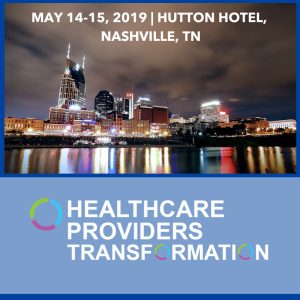
ABOUT THE HEALTHCARE PROVIDERS TRANSFORMATION ASSEMBLY

Join leaders from North America’s leading Health Systems to discuss the latest technology, innovations, and strategies driving healthcare’s transformation. At the 9th edition of Healthcare Providers Transformation Assembly, we’ll be discussing the latest digital technology and business strategies driving healthcare’s digital transformation.

Are you interested in attending this event? Inquire here today to find out if you qualify for Millennium Membership >>

Addressing the Gaps in Customer Experience

This article is contributed by our sponsor, Redpoint Global. Written by: John Nash, Chief Marketing and Strategy Officer at  RedPoint Global.

There is a pressing strategic imperative for brands to compete on customer experience (CX) in nearly every industry. Marketers in retail, insurance, financial services, CPG, travel and hospitality, and health and wellness are pressured to meet growing expectations from the empowered consumer for an experience tailored to their preferences at every stage of the customer journey. Marketers are aware of this issue but have found difficulty in the execution of a seamless omnichannel customer experience.

To better understand and address the challenges of today’s marketers and consumers, RedPoint Global commissioned The Harris Poll to conduct quantitative research among these audiences. In looking at responses from over 450 marketers and 3,000 consumers across the U.S., Canada, and the U.K., we found a number of gaps between marketers’ customer experience strategy and consumers’ expectations, which we’ll unveil at our live webinar, Wednesday, March 27 at 1pm EST.

Consumers have spoken on what’s most important to them in a modern customer experience; privacy, consistency across multiple channels, a deep understanding – and appreciation – of customer needs, and personalization.

However, as this study shows, brands are not delivering on these aspects of the customer experience at the level customers want. A deep gap between a consumer’s expectations and the experience being delivered is magnified by the inability of brands to marry strategy with execution. Our research shows that brands are aware of the pressing need for a personalized consumer experience, and most have a strategy in place to get there, but existing challenges unifying data, offers and information martech solutions prevent them from being able to deliver a true, modern-day personalized experience.

The survey validates that fragmentation is largely responsible for the CX gap. Data fragmentation, system fragmentation, and organizational fragmentation all contribute to the frustration for consumers and marketers alike in the delivery and receipt of a seamless, omnichannel customer experience.

There is a way to resolve these challenges, through establishing a single point of control over all data, decisions, and interactions. This process overcomes the typical fragmentations and puts marketers in a position to deliver against expectations of individual customers at any stage of their customer journey. It provides marketing with the foundation needed to deeply understand customers and provide an instantaneous response or a proactive, predictive action that will resonate with a customer in their context and cadence.

For the more information about the study “Addressing the Gaps in Customer Experience” join us for a Webinar on March 27 at 1 pm ET with Libby Rodney, Chief Strategy Officer at The Harris Poll and John Nash, Chief Marketing and Strategy Officer of RedPoint Global (URL).

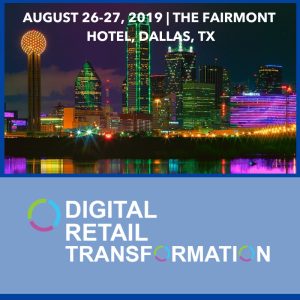
ABOUT DIGITAL RETAIL TRANSFORMATION

C-Level experts from across North America’s retail industry are coming together in Dallas in

August to anticipate the highly complex digital retail environment that will develop over the next few years.

Through a cutting-edge program designed by the industry, for the industry, we will pro

vide a fresh and up-to-date insight to help move your organization to the next level of digital leadership. A series of executive education roundtables, keynote presentations, collaborative think tanks, educational workshops, and networking sessions will offer industry-specific topics and trends to ensure your company sustains its competitive advantage.

Are you interested in attending this event? Inquire here today to find out if you qualify for Millennium Membership >>

Bot-to-Bot Marketing is the Next Game Changer

Over the past year, we have witnessed a significant shift in the channels that consumers are favoring.

In recent years there has been a drastic increase in the uptake of messaging apps. In fact, the usage of these apps and chatbots is actually outpacing that of social media networks. It is predicted that in 2017, the number of messaging app users will be around 2.10 billion. This is indicative of a new trend, as pointed out by Mark Schafer, the rise of the private network. Consumers are changing how they feel about public scrutiny. They are becoming increasingly afraid of public record and are favoring privacy through apps like Facebook Messenger or Kik.

ChatBots along with smart home devices like Google Home’s Assistant or Amazon’s Alexa are opening up new opportunities for marketers, who are beginning to plan their strategies for this channel.

What is interesting is that this has opened up another new opportunity, Bot-to-Bot Marketing.

This is when the bot or agent interacts with another bot or agent instead of searching the web, or a knowledge base, or a profile.

In a few years, ArcTouch Chief Experience Officer and founder Adam Fingerman predicted, “most interaction will be conversational.” His company develops apps and now bots.

Marketers need to be prepared for this next potential game changer.

At Transformational CMO West, you can expect to discuss bot-to-bot marketing.

  • How bot-to-bot marketing may become the loyalty platform of the future.
  • What is the potential impact bot-to-bot marketing will have in the way marketers reach consumers?
  • When machines with machine logic are empowered to make purchase decisions, how then do brands build loyalty?
  • How to prepare for this game-changing, bot-driven world.
Welcome to the ‘Conversation Marketing’ era!

It is now impossible to ignore this trend. Chatbots and messenger apps are changing the digital marketing field.

As a CMO, why should you invest in this technology?

Its 24/7

In this time of Amazon Prime 2-hour delivery, consumers want everything now, literally. Your consumer will get frustrated if they don’t get timely responses from you and your business. The banking industry suffered from failing to adapt to the consumer desire for service at the time they want it, so you do not want make the same mistake.

You are also way more likely to get engagement within Messenger apps or chatbots than say from your Facebook page. That’s because the communication is 1:1 and 24/7. You aren’t in competition with the hundreds of other marketers who are flooding your target’s newsfeed.

Unique data to create personalized campaigns

Possibly our favorite element of this new technology is the data you can extract. You can monitor your consumer, gather data and ultimately adapt your marketing to be highly personalized. Marketing has to be personal. The customer should be at the heart of all your content.

What’s also great is that as soon as you engage with someone, you then have the ability to push messages out to them. You can even set automation workflows, just as you would on email.

All-inclusive

Chatbots can provide an all-inclusive ecosystem for shoppers. Users can ask questions, receive answers, and based on data you’ve collected, gather recommendations increasing their likelihood to buy additional products.

Self-perpetuating marketing

This technology markets itself. It leads to more word-of-mouth, social sharing, better customer experiences… should we say more?

You can actually create a chatbot in minutes with companies like ManyChat or ChatFuel, so why not try it? And while you are at it, why not check out The Transformational CMO West Assembly this June in Las Vegas?

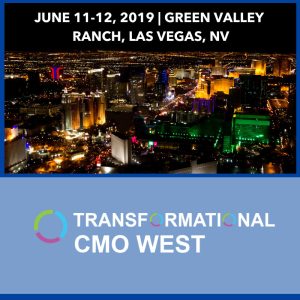
About the Transformational CMO West Assembly

The world is changing a mile a minute and it is hard to scale. Differentiating yourself and maintaining trust in the ever-changing marketing world seems to be getting easier, but only to those who are willing to adapt to the rapid-fire marketing. The more you can plan ahead, the better equipped you as an executive will feel in managing those changes when they happen.

In June of 2019, the Transformational CMO West Assembly in Nevada is a unique event that challenges our attendees to learn how to anticipate what’s next for the highly complex marketing environment that has emerged throughout the year through a series of executive education roundtables, keynote presentations, collaborative think tanks, educational workshops, and networking sessions with our industry experts and advisory board over the course of 2 days.

Are you a CMO interested in attending this event? Inquire here today to find out if you qualify for Millennium Membership >>

What Do Successful Marketing Leaders Do In Their Downtime? Here Are 5 Things

Successful marketing leaders do not sit idly by to reach the top of their industry. These leaders are constantly learning to identify issues, assess situations and above all, keep group emotions in check. However, there are a couple of things that consistently top the list when it comes to being a great marketing leader, and it might not be what you expect.

So, what makes leaders successful in this highly competitive industry? They know how to get the most out of their downtime. According to Forbes, here are just 5 small things marketing leaders do past their work hours that gives them an extra boost.

1. Invest in Personal Enrichment

Successful marketing leaders recognize the importance of achieving a proper work-life balance. Even though it is easier said than done, these leaders allocate their time in order to optimize self-care in the midst of their busy work lives. Marketing leaders cultivate hobbies such as picking up painting or doing yoga and use those new activities as more than an outlet for stress.

These personally rewarding experiences and knowledge increase satisfaction at home and on the job, offering inspiration to innovate in the workplace.

2. They Keep a Vigilant Eye on Other Marketing Ads

When a marketing leader comes across a great ad or campaign, they cannot help but become excited over a job well done. Successful marketing leaders appreciate great ads and will take away something from the experience to pass on to their teams in hopes of implementing such tactic into their own campaigns.

It is the role of marketing to champion the voice of the customer and to share market insights that lead the company, so it is important for a marketing leader to keep an eye out for ads that are shaking up the industry.

3. They Listen to Podcasts

For example, Christopher Penn and John Wall run the podcast “Marketing Over Coffee,” and they discuss the latest trends and practices in the industry. Successful marketing leaders are always up-to-date on the trends impacting the industry, and listening to such podcasts offers a small educational break to renew motivation and inspiration while at work.

4. They Revisit Goals and Reward Self-Success

Marketing leaders may have achieved their dream of having their own team to manage, but that does not mean they are done with climbing the ladder or designing their own future success. They continually identify the importance of returning to and revising both bigger and smaller goals to trace where they were to where they are and where they want to go.

Moroever, what you think of your own success matters to how you apply yourself to your career moving forward. Celebrating milestones and small wins with personal rewards will keep you motivated in your career, and help you strive to become a better version of yourself.

5. They Maintain an Exercise Routine

The most successful professionals maintain a regular exercise routine, and successful marketing leaders recognize the merits of balancing the mind and body. When you exercise regularly and stick with it, it is proven that an individual works smarter, harder and better. With regular exercise, you strive to be your best self, and that will eventually start reflecting in your work.

Although this may seem like a short list, you have to keep in mind that these are only 5 things a marketer can do to improve their performance this year. With the marketing function getting more complex, the role of the C-suite is evolving to play a more strategic role and is becoming more and more interesting. Therefore, it is time to listen to advice and become a better marketer.

ABOUT THE TRANSFORMATIONAL CMO EAST ASSEMBLY

Digital marketing is a fast, dynamic landscape and for marketers to keep ahead of their CMOEC1 Updated Bannercompetition, boosting brand awareness and sales they need to keep up to date with current trends, technologies, and strategies. Differentiating yourself and maintaining trust in the ever-changing marketing world seems to be getting easier, but only to those who are willing to adapt to the rapid-fire marketing. The more you can plan ahead, the better equipped you as an executive will feel in managing those changes when they happen.

In May of 2019, the Transformational CMO East Assembly is a unique event that challenges our attendees to learn how to anticipate what’s next for the highly complex marketing environment that has emerged throughout the year through a series of executive education roundtables, keynote presentations, collaborative and educational workshops, and networking sessions with leading industry experts and our coveted advisory board over the course of 2 days.

You can say this is one of the most exclusive events of 2019, and spaces are reserved for the best in the business. If you’re a CMO looking to stay one step ahead of the digital world, reserve your seat today >

Are you a CMO interested in attending this event? Enquire here today to find out if you qualify for Millennium Membership >>

Download your copy of the sponsorship prospectus to see if you are eligible to sponsor this event >>

5 Ways Big Data Can Help You Monitor Consumer Trends

Big data plays a vital role in transforming the way businesses work. In fact, many companies consider it as the framework for improving services and customer relationships. Entrepreneurs and marketers use analytics to process huge amounts of data to draw conclusions on consumer behavior, which help them formulate strategies to address issues and follow or set trends.

If your business is still on the fence about the power of big data, allow this article to expound on how it can improve your operations. 

Customer Satisfaction
It is crucial for any business to swiftly address whatever issues their customers have. This is especially true today, as Inside Big Data points out that consumers are now smarter and savvier — hence the need to connect with them through innovative and engaging means. For businesses to find out the areas they can improve on, they have to rely on insights from big data. For instance, Digital Diary emphasizes how data can help e-commerce companies understand their customers’ shopping habits and preferences. Depending on the results of the information gathered, marketers can opt to enhance their websites’ user experience or improve customer engagement.

Content Distribution Schedules
When a business is simultaneously running a blog and social media pages, adhering to a content distribution schedule is vital. However, for each bit of content to be truly visible, its release should coincide with users’ online activity. Analytics can determine the specific times your audience is usually online. This data can then help you form a content distribution schedule that would reach your intended target market when they are present online. Incidentally, the time slots can also influence what type of content you disseminate. For instance, if users tend to go online during rush hour, content about surviving traffic would be relevant. 

Targeted Advertising
Many problems faced by advertisers can be solved with big data. This is because big data lets marketers understand the details of user behavior. Entrepreneur notes that big data helps form targeted and personalized ad campaigns that increase efficiency by reaching the intended market with the right products. These campaigns also don’t break the bank, which is why they are an effective – and sometimes a better – alternative for advertisers than more expensive, above-the-line advertising efforts. 

Strategies Beyond the Digital Space
Big data doesn’t only deal with information about consumer behavior online. It can also determine what a consumer’s journey outside of their digital browsing looks like. A study published on Ayima shows that a significant portion of customers who purchase in-store start their journey on some form of digital channel. This could indicate that these people have seen the product first online, either through social media or web articles. Having this data on hand tells entrepreneurs that they should start focusing their efforts on in-store marketing as well to bolster online efforts. It also proves that digital channels have a significant effect over in-store purchases.

Predictive Analytics
Predictive analytics uses historical data, machine learning, and artificial intelligence to predict future consumer behavior. This kind of information is useful in several aspects. For instance, predictive analytics can be used to determine which of your customers are likely to not renew their memberships. With this information, you can create strategies, like incentives, that can convince them to continue their subscription.

Predictive analytics also forecasts which customers have the highest probability of buying your products. Likewise, you can think of ways to reach these people in order to drive sales growth. Sales expert Larry Myler explained that predictive analytics is the next frontier of B2B sales because businesses can then use the right resources at the right time to pursue the right sales prospects.

About the Digital Enterprise Transformation Assembly

As more and more businesses look to digital technology and strategies to transform their business, CIOs know that data and information technology have never been more important. Understanding the convergence of mobile, social, and cloud is the first critical step for organizations looking to create opportunities and stay ahead of the competition.

The Millennium Alliance is thrilled to present our bi-annual Digital Enterprise Transformation Assembly, put together by the industry, for the industry. Join us in Miami, FL. for a series of executive education roundtables, keynote presentations, collaborative think tanks, educational workshops, and networking sessions will offer industry-specific topics and trends to ensure your company maintains its competitive advantage.

Are you a CIO or CTO interested in attending this event? Inquire here today to find out if you qualify for Millennium Membership >>

The Millennium Alliance Launches a New “Digitally Transformed” Website

NEW YORK – March 20, 2019 – The Millennium Alliance, the invitation-only organization for Senior-Level Executives and Business Transformers, unveiled a new website today. As Millennium celebrates its Five-Year Anniversary, the arrival of the new website revamps our online asset known as The Digital Diary while providing the most up-to-date info regarding our national and regional assemblies, industry and job-function specific content, thought leader participation, social updates, company information and more in an easy to navigate design.

The new website has been designed to offer the ultimate user-friendly experience with improved functionality while allowing the community to see The Millennium Alliance’s full assemblies portfolio. The new site also includes a variety of new features to allow visitors to quickly and efficiently search the site while finding the information that best suits their needs.

“Nowadays, as an organization grows, so does their web properties. More than just an imaginative display, our main company website will serve not only to be aesthetically pleasing to those who come to visit, but more importantly, will act as a portal for our members, clients, and partners to communicate with each other in an efficient and effective manner. This has been a very lengthy process, and I am super proud of Greg, Rebecca, Ridge, Conor and the whole entire marketing and web development team. They have truly outdone themselves!” Says Alex Sobol, Co-Founder and Managing Partner of The Millennium Alliance.

The new website will serve as an enhanced platform to highlight The Millennium Alliance’s three main pillars – Education, Transformation and Leadership. The site’s features, such as assembly testimonies, Digital Diary content and assembly calendars, news, and photo gallery will further enable visitors to become acquainted with this unique organization that empowers people to succeed and become leaders in the era of digital transformation. The up-to-date website will utilize the same domain, but will now have a dramatically different look than before, so head on over to www.mill-all.com to check out what the hype is all about.

ABOUT THE MILLENNIUM ALLIANCE

cropped-new-logo-500x500-11

Headquartered in Midtown Manhattan, The Millennium Alliance is a leading technology, business, and educational advisory firm. Focusing primarily in areas such as business transformation, executive education, growth, policy, and need analysis, Millennium is quickly becoming one of the most dynamic locations for collaboration across the world.

We provide a framework for Fortune 1000 C-Level executives, leading public sector/government officials, and thought leaders across a variety of disciplines, to meet their peers, understand industry developments, and receive an introduction to new technology and service advancements to help grow their career and overall company value. With a constant thirst for a conversation that has real value, it is our duty to provide a platform for all leaders to further develop in an ecosystem of innovation and knowledge so all parties can continue to shape the real purpose of business: to make things efficient and worthwhile.